Posts

Showing posts with the label Chimney Inspection Service

What is a Level 3 Chimney Inspection?
Image
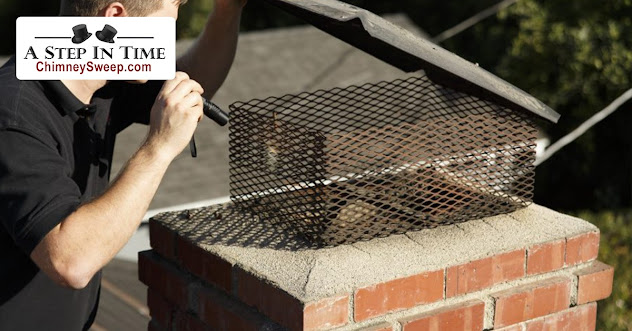
  Ensuring the safety of your house demands that you take good care of your chimney. This can be made simple with different inspection levels. Level 3 chimney inspections serve as the most important when you want a very comprehensive inspection. We are going to talk about Level 3 inspections in this post, including what they are for and when they are performed. Stay with us as we go over the crucial aspects of maintaining the strength and functionality of your chimney. To help you make well-informed choices to preserve the safety of your chimney, we’re going to help you understand inspections. What is a Level 3 Chimney Inspection? An in-depth examination of your chimney system is provided by a Level 3 chimney inspection. Replacing certain components of building or chimney structural components is an aspect of a Level 3 inspection, which gets carried out when a Level 1 or Level 2 inspection uncovers a serious issue that cannot be solved completely without accessing hidden regions. I...
How often should you get your chimney inspected?

Image
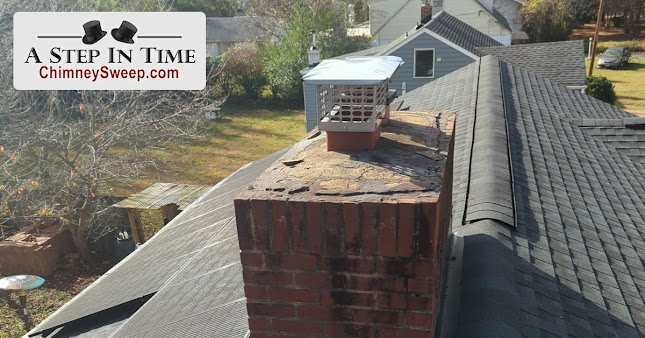
  When we burn wood inside the fireplace, its smoke and chemicals build a black tar-like substance called Creosote. It is very highly inflammable and prone to fire. All the owners have one common risk inside the house. Whatever you are burning, different types of issues start building and that is what makes a house very risky. In every house, the fireplace’s safety matters more than anything else. A  chimney inspection  is one of the most important diagnostic tools used to avoid fire. Over 65% of wood stoves in America are outdated and inefficient versions and they are more dangerous and can easily catch fire. According to the  U.S. Consumer Product Safety Commission , the use of combustion equipment, including wood stoves, in the house, causes carbon monoxide poisoning, which kills more than 150 people on average each year. High temperatures can be reached by chimney fires (up to 2,000 degrees F). Just as there are different types of flues and different types of chi...

What is Video Chimney Inspection and what are its Benefits?

Image
  Are you considering getting your chimney inspected? Have you heard about video chimney inspections? If not, then you’ve come to the right place! In this blog, we’ll be discussing the benefits of video chimney inspections and why it is necessary. What is a video chimney inspection? A  video chimney inspection  is a process of using a camera to inspect the inside of a chimney. This type of inspection is typically used to evaluate the condition of a chimney, identify any potential issues or hazards, and determine the need for repairs or maintenance. During a video chimney inspection, a small camera is inserted into the chimney and lowered down its entire length. As the camera travels down the chimney, it records high-quality video footage of the interior surfaces. This footage is then used to assess the condition of the chimney and identify any problems that may be present, such as cracks, blockages, or other damage. Why is a chimney inspection necessary? A ...

How often should you get your chimney inspected?

Image
  When we burn wood inside the fireplace, its smoke and chemicals build a black tar-like substance called Creosote. It is very highly inflammable and prone to fire. All the owners have one common risk inside the house. Whatever you are burning, different types of issues start building and that is what makes a house very risky. In every house, the fireplace’s safety matters more than anything else. A chimney inspection is one of the most important diagnostic tools used to avoid fire. Over 65% of wood stoves in America are outdated and inefficient versions and they are more dangerous and can easily catch fire. According to the  U.S. Consumer Product Safety Commission , the use of combustion equipment, including wood stoves, in the house, causes carbon monoxide poisoning, which kills more than 150 people on average each year. High temperatures can be reached by chimney fires (up to 2,000 degrees F). Just as there are different types of flues and different types of chimneys so the...